Burnt Smells: What It Means and What to Do
A burning or hot-plastic smell from a power point, light, appliance or your switchboard means something is overheating. It's one of the few electrical faults worth acting on straight away, so ring (02) 9538 7356 and we'll talk it through.
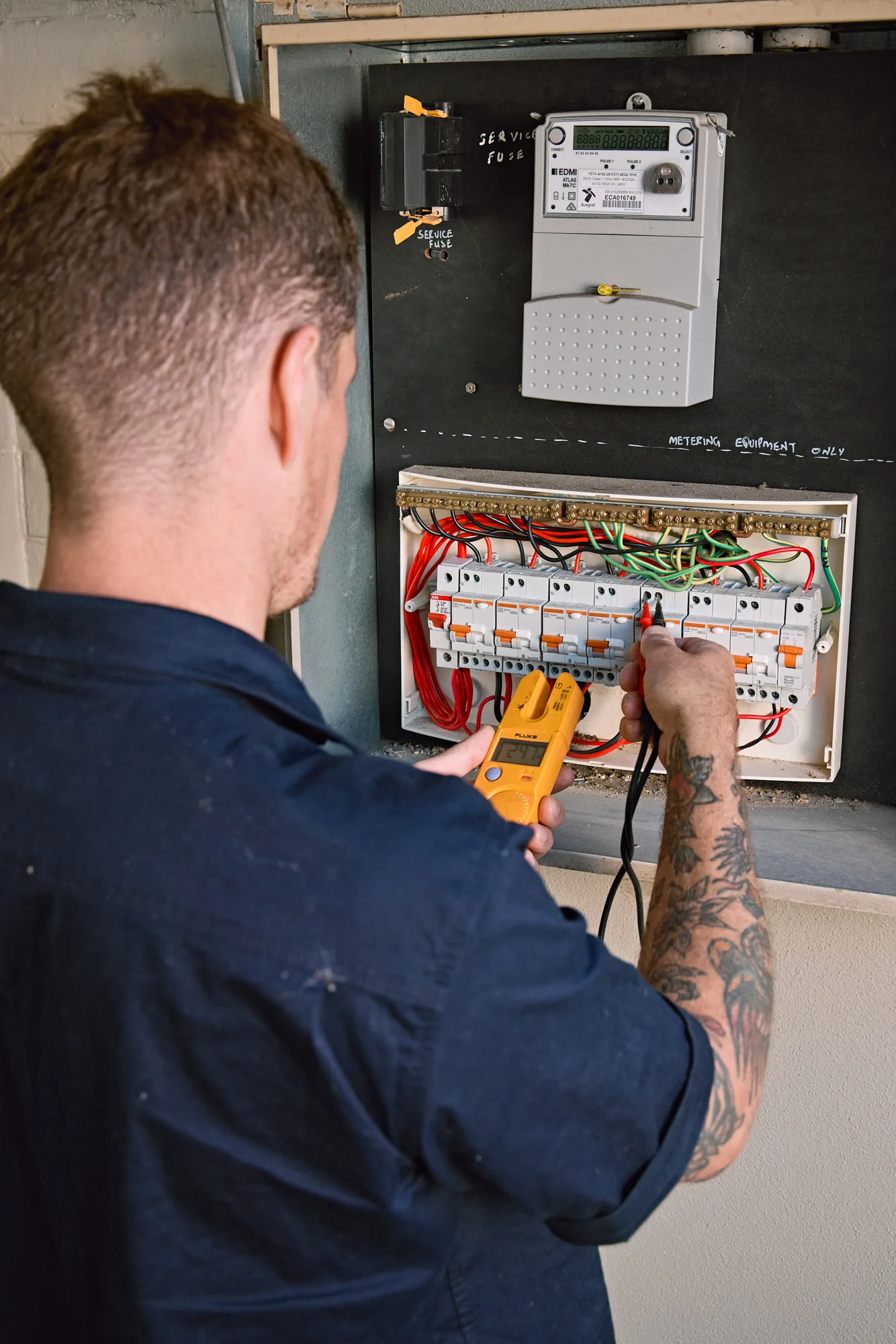
Why Your Home Smells Like Burning Plastic
That sharp, chemical odour is almost always heat acting on insulation or plastic somewhere in your wiring.
Electricity meets resistance at a loose or damaged connection, and resistance makes heat. Enough heat, and the plastic around a cable, terminal or fitting starts to cook, giving off that unmistakable smell well before you'd ever see a flame.
The tricky part is where it comes from. The smell drifts, so the meter box can reek while the real trouble sits inside a wall two rooms away.
That's why a burning smell is a fault to trace, not to guess at. Finding the actual source is the whole job.
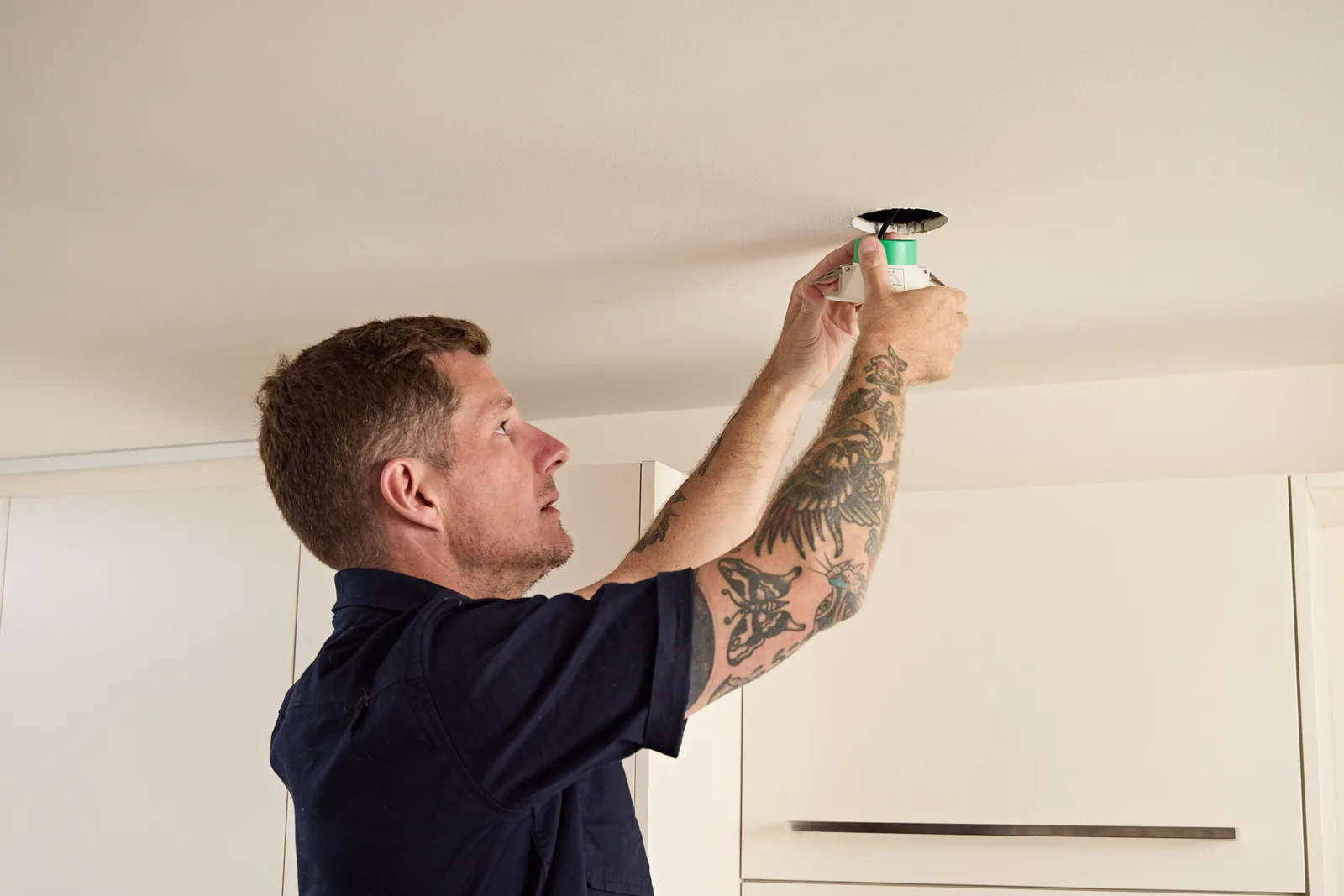
Is a Burnt Smell Dangerous?
Yes, more than most electrical faults, and here's the honest read on it.
A smell means heat is already being made where it shouldn't be. That puts it a step ahead of a light that flickers or a switch that buzzes, because charring insulation is the stage right before ignition.
Treat these as urgent: a smell paired with warmth you can feel, any visible scorching or browning, smoke however faint, or a smell that keeps coming back after you've switched things off.
The safe holding action is simple. Switch off the circuit you think it's on, drop the main switch if you're unsure, and unplug anything on that circuit before leaving it alone and calling us.
Don't open the fitting, don't pull the cover off the board, and don't keep sniffing around a hot point to locate it. That's our job, with the power isolated and the right test gear.
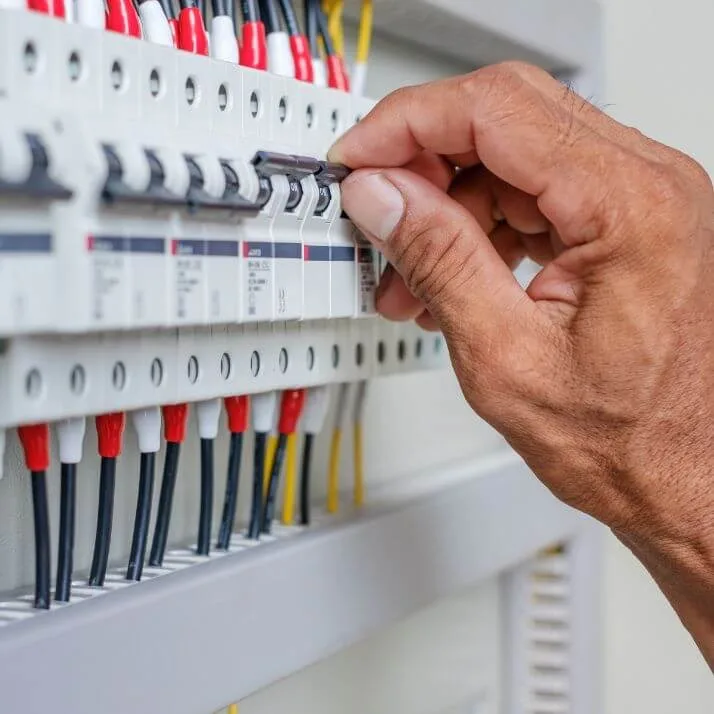
What Usually Causes It
A burning smell traces back to a handful of usual suspects, ranked here from what we find most to least often.
- A loose or corroded connection at a power point, switch or junction, arcing quietly and cooking the terminal.
- An overloaded circuit running more than it was built for, so the cable itself heats along its length.
- A failing appliance or plug where a motor, cord or transformer is breaking down inside.
- A tired switchboard where an old fuse holder or breaker terminal has loosened and charred over decades.
- A light fitting running a downlight or transformer too hot for the space around it, especially where insulation sits close.
- Rodent or age damage to cabling hidden in a ceiling or wall cavity, chewed or perished back to bare conductor.
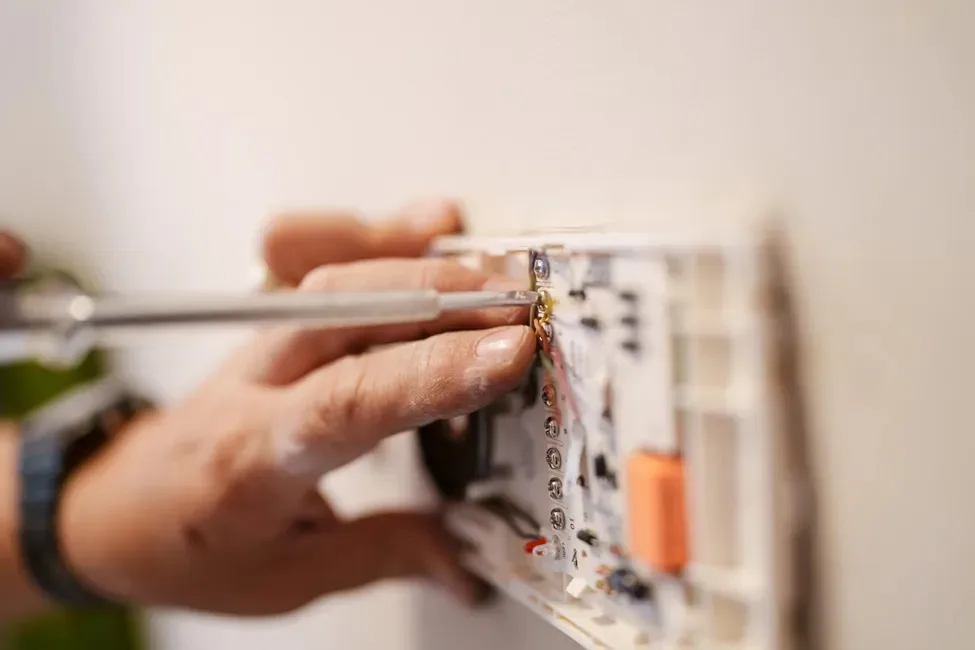
Do This First
Before we arrive, a few safe steps keep everyone out of harm's way. None of these involve touching wiring.
- Switch off the affected circuit at the board, or drop the main switch when you can't pin down which one it is.
- Unplug any appliance on that circuit, especially anything that felt warm or was running when the smell started.
- Open a window or two to clear the fumes, and keep people and pets away from the spot.
- Leave the fitting, board and cabling untouched, and call (02) 9538 7356 so we can get to you.
How We Fix It, Step by Step
We fix a burning smell by finding its source, not by swapping whatever's nearest and hoping.
First we isolate the power and talk through what you noticed and when. Small clues, like which appliances were running, narrow the search fast.
Then we test. Thermal readings, insulation tests and a circuit-by-circuit check let us pinpoint the hot connection or damaged section rather than tearing the place apart.
Once we've found it, we repair or replace the faulty part to AS/NZS 3000, check nothing else on that circuit is stressed, and confirm it's running cool and safe. Where the work is notifiable, you get a Certificate of Compliance for it.
Keeping It From Coming Back
Most burning smells trace back to connections and loads that were quietly overdue for attention. A few things keep them from recurring.
- Have an ageing or original board assessed, and consider switchboard upgrades if it's running hot or still on fuses.
- Fit safety switches so leakage faults are caught early, part of most electrical repairs we do on older wiring.
- Stop leaning on double adaptors and leads by having extra outlets installed where you actually need them.
- Book periodic checks on older homes so loose connections get found before they char.
Servicing Haberfield and Nearby Suburbs
A burning smell rarely shows up alone. Often the same overheating connection is behind a scorched outlet, while a noisy breaker box points to something straining under load nearby.
Plenty of homes here sit on wiring old enough to throw up a couple of these together. We track down electrical faults across the Inner West, from Haberfield through to Ashfield and Croydon.

Call Us Today, We Will Sort It
This is a fault that rewards acting quickly. Ring (02) 9538 7356 or get in touch here, tell us you can smell burning, and we'll treat it with the urgency it deserves.
Common questions
Burnt Smells FAQs
Common things people ask us the moment they notice a burning smell at home.
Do old fuses make a burnt smell more likely?
They can, because an original ceramic fuse board runs hotter under modern loads and its old connections loosen and char over the years. If your board still uses rewireable fuses, it's worth having looked at.
Can I keep using the circuit while I wait for you?
No, kill that circuit at the board and leave it off. A smell means something is already overheating, and running the circuit only feeds the problem until we arrive.
Can a burnt electrical smell cause a fire?
Yes, which is why we treat it seriously. That odour is hot plastic or charring insulation, both of which are early stages of an electrical fire if the source keeps drawing power.
How fast can you get to Haberfield for a burning smell?
Often same or next day for standard bookings, with an after-hours line for anything urgent. A live burning smell counts as urgent, so tell us that when you call.
Will my safety switch protect me from this?
Not always, because a safety switch (RCD) trips on current leaking to earth while an overheating connection can smoulder without tripping it. That's why a smell still needs a licensed electrician even when nothing has tripped.
Should I turn off the mains?
If you can't work out which circuit the smell is coming from, flicking off the main switch is a safe holding move until we arrive. If you can isolate the one affected circuit instead, that's usually enough.